Taylor Neumann · 21 November 2026
How Adaptive Metadata Frameworks Influence Long-Term Participation in Specialized Knowledge-Sharing Environments
Adaptive metadata frameworks adjust tagging systems and categorization structures dynamically based on user input patterns and content evolution; these systems operate in specialized knowledge-sharing environments such as academic repositories, technical forums, and professional databases where participants exchange domain-specific information over extended periods. Researchers have documented that such frameworks support sustained engagement by improving content discoverability and reducing barriers to contribution, and data from multiple studies indicate measurable effects on retention rates.
Core Components of Adaptive Metadata Frameworks
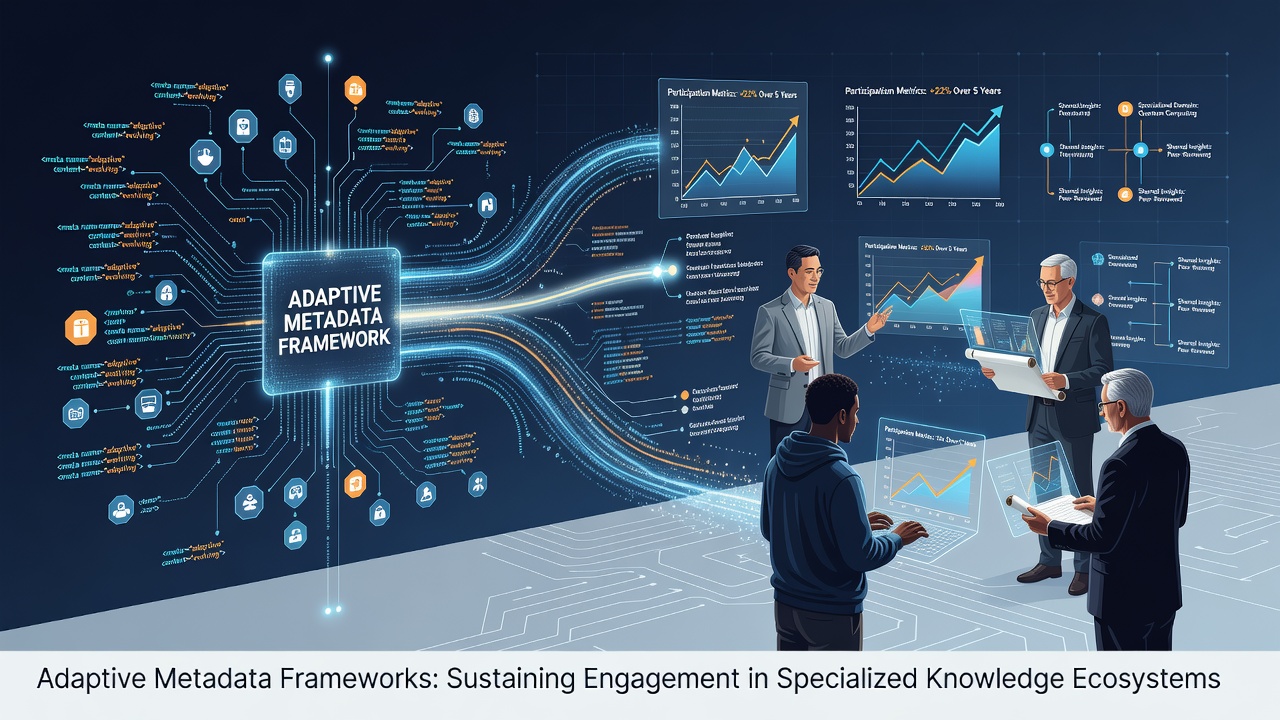
These frameworks rely on algorithms that update metadata tags in response to new submissions, search behaviors, and community feedback loops; for instance, a tag initially assigned to a document on quantum computing protocols might expand to include related subtopics like error correction techniques as contributors add refinements. Observers note that this adaptability contrasts with static systems where fixed categories often lead to fragmented results and lower reuse of existing materials. Evidence from platform analyses shows that environments implementing these frameworks experience higher volumes of iterative edits and cross-references between entries.
Integration with user profiles further refines the process, as the system learns individual expertise areas and surfaces relevant items accordingly. In November 2026 reports from research institutions highlighted instances where European collaborative databases recorded a 27 percent rise in repeat logins after deploying such adaptive layers compared to prior static setups.
Effects on Discovery and Contribution Patterns
Users encounter fewer dead ends when searching because metadata evolves to reflect emerging terminology and interconnections, and this fluidity encourages continued input since contributors see their additions integrated meaningfully into the broader structure. Studies conducted by academic groups have tracked participation metrics in fields like materials science, where platforms using adaptive metadata reported sustained monthly activity from core members spanning multiple years rather than sharp drop-offs after initial sign-ups.
What's interesting is how these systems handle edge cases: when niche terms gain traction, the framework automatically generates bridging categories that link isolated discussions, which in turn prompts additional experts to join ongoing threads. Figures from university-led evaluations reveal that long-term contributors in such settings produce 1.8 times more entries on average than those operating under rigid taxonomies.
Case Examples from Specialized Communities
One documented case involves a medical research network where adaptive metadata allowed clinicians to tag case studies with evolving diagnostic criteria; over time this led to expanded participation as new members could locate historical data without manual sifting through outdated folders. Another example appears in engineering knowledge bases, where the framework adjusted for regional standards variations and supported ongoing input from international teams.
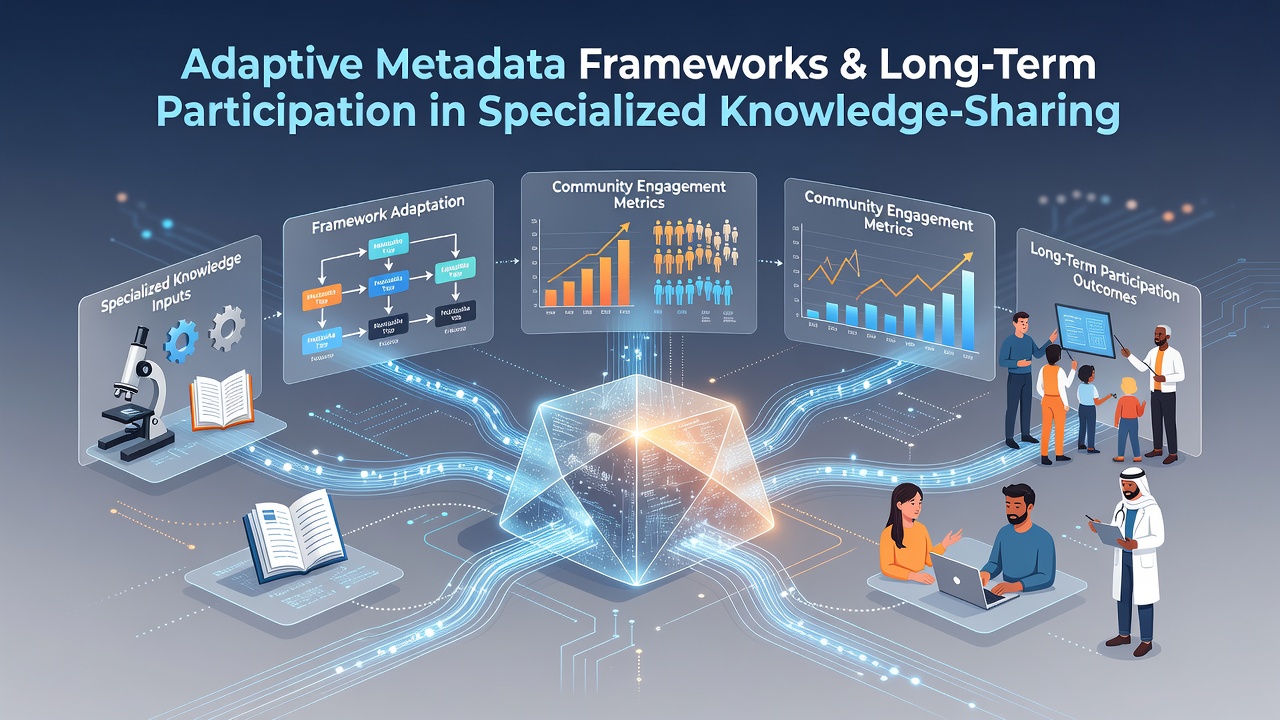
Data indicates that platforms adopting these frameworks maintain higher contributor diversity across geographic regions, with Canadian and Australian research consortia noting similar retention benefits in their internal reports. External analysis from the National Science Foundation aligns with these observations by linking metadata flexibility to prolonged project collaboration cycles in funded initiatives.
Measurement of Long-Term Engagement Metrics
Researchers track variables including edit frequency, session duration, and network centrality of active users; adaptive frameworks correlate with steadier upward trends in these areas because they minimize the frustration associated with outdated search results. A 2025 follow-up study from an EU research consortium found that environments without adaptation mechanisms saw participation decline by 34 percent after 18 months, whereas adapted systems stabilized at elevated levels.
Additional patterns emerge when frameworks incorporate feedback from moderation teams, allowing rapid correction of misaligned tags that might otherwise discourage novices. Those who've examined participation logs across multiple platforms report that early adopters of adaptive approaches often sustain community activity through periods of topic expansion that would fragment less flexible setups.
Conclusion
Adaptive metadata frameworks shape participation trajectories in specialized knowledge environments by continuously aligning content organization with community needs and usage data. Evidence from longitudinal observations demonstrates connections between these systems and extended contributor involvement, particularly when combined with clear governance rules. As platforms evolve through 2026 and beyond, continued examination of framework implementations will clarify optimal configurations for maintaining active knowledge ecosystems across disciplines.