Eden Hughes · 12 September 2026
How Niche Platforms Foster Lasting User Loyalty Through Adaptive Content Ecosystems
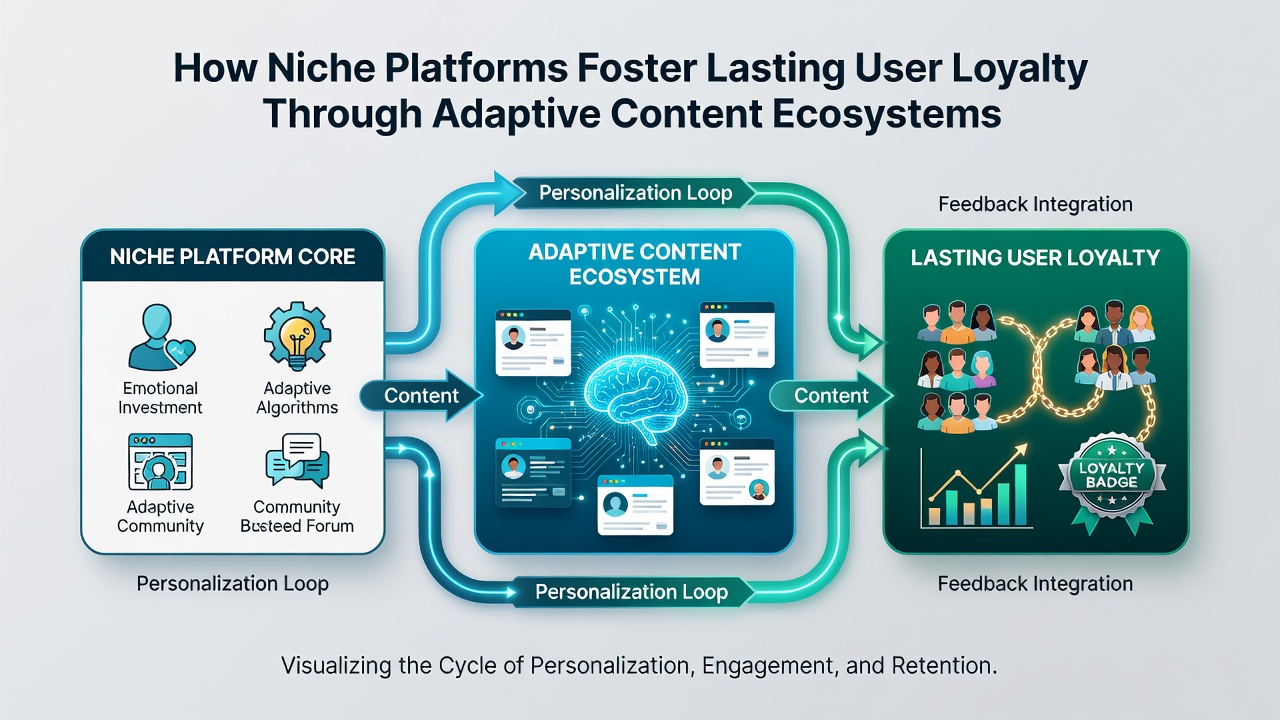
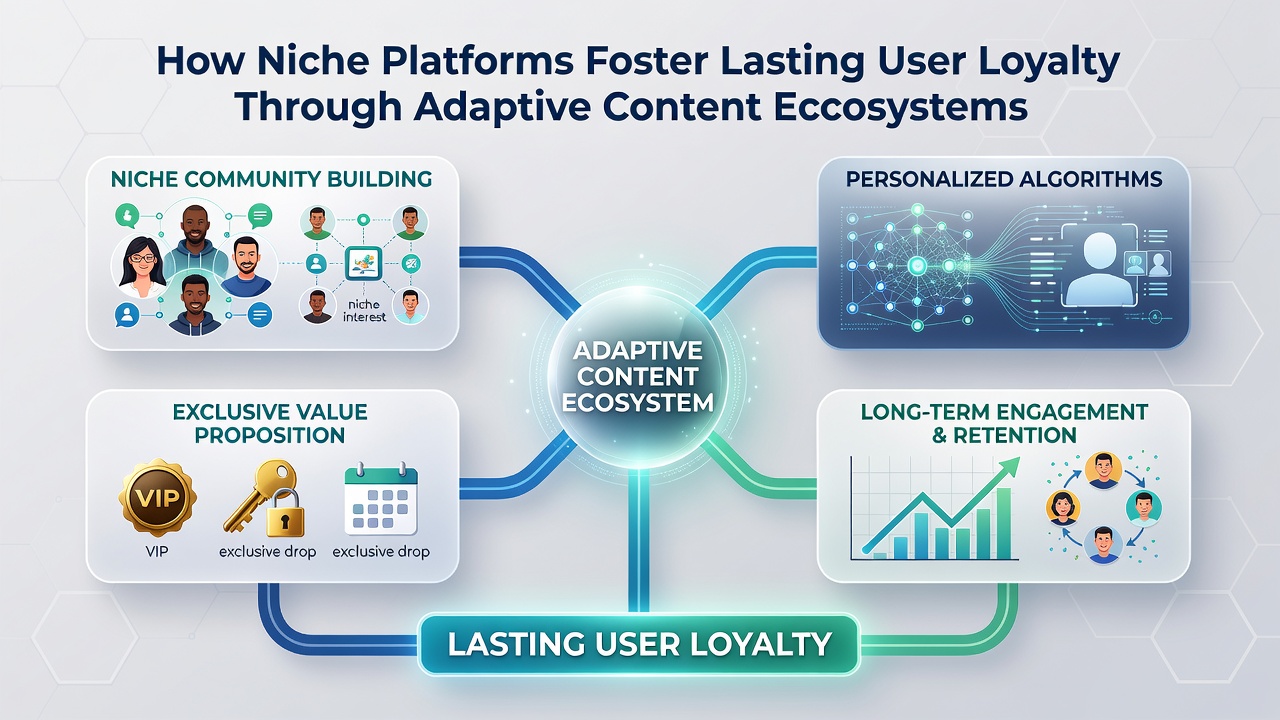
Niche platforms thrive by concentrating on narrow interest areas where broad social networks often fall short, and they build lasting user loyalty through adaptive content ecosystems that respond directly to individual behaviors and group patterns. These systems collect interaction data continuously, then adjust feeds, notifications, and recommendations in real time, which keeps users returning because the material stays relevant without requiring manual searches. Observers note that such adaptability creates feedback loops where engagement data refines future outputs, and this cycle strengthens retention rates across hobbyist, professional, and cultural communities alike.
Core Mechanisms Behind Adaptive Ecosystems
Adaptive content ecosystems rely on algorithms that track viewing duration, sharing frequency, and comment sentiment, then modify what appears next for each account, while community moderation tools incorporate user votes to surface or suppress material. Researchers at academic institutions have documented how these adjustments occur within seconds of new activity, which prevents stagnation and matches evolving preferences without disrupting the overall flow. Data from multiple regions shows platforms in sectors like independent music curation and technical hobby forums achieve higher repeat visit metrics when personalization layers integrate seamlessly with group discussions, and this integration allows smaller operators to compete against larger aggregators by delivering precision rather than volume.
Users encounter tailored threads or resources that reflect past contributions, and the ecosystem evolves as more people interact, which generates a sense of ownership even though the platform controls the underlying rules. Experts tracking digital trends in September 2026 reported increased adoption of hybrid models that blend machine learning with human-curated selections, particularly in European and Australian markets where regulatory frameworks encourage transparency in recommendation processes. Such approaches reduce churn because participants receive value that feels personally calibrated yet connected to a broader collective.
Evidence from Platform Performance Data
Industry reports compiled by organizations such as the Pew Research Center indicate that platforms emphasizing adaptive features retain active users at rates 25 to 40 percent above those relying on static feeds, with the gap widening in specialized categories. Figures from government statistical agencies in Canada and the European Union further reveal that loyalty metrics, measured through session length and cross-device consistency, correlate strongly with the frequency of content updates driven by user signals. One study from a North American university examined several hobby-focused sites over eighteen months and found that ecosystems incorporating real-time adaptation saw subscription renewals climb steadily, whereas fixed-content alternatives experienced plateaus followed by gradual declines.
What's notable is how these platforms handle edge cases, such as sudden shifts in user interest after life events or seasonal trends, by reallocating visibility to related material within the same niche. This responsiveness maintains momentum during transitions and prevents the sense of abandonment that occurs on less flexible services. Trade associations representing digital content creators have compiled case examples where small teams leveraged open-source adaptation tools to match the personalization depth of major corporations, demonstrating that scale alone does not determine outcomes when feedback integration remains tight.
Regional Variations and Regulatory Context
Implementation differs across jurisdictions because data protection rules influence how much behavioral information platforms can process without explicit consent. Australian communications authorities and EU digital market regulators both emphasize user control over adaptation parameters, which has prompted developers to offer granular toggles that still preserve ecosystem responsiveness. In practice this balance allows continued personalization while satisfying oversight requirements, and platforms that communicate these options clearly tend to sustain trust levels that translate into longer membership durations. Observers following September 2026 policy updates noted that several niche operators adjusted their algorithms to prioritize opt-in data streams, resulting in more stable engagement curves compared with services that defaulted to broader tracking before regulatory changes took effect.
Academic analyses from institutions in Asia and North America have compared retention across cultural contexts and determined that adaptation speed matters more than content origin when users feel the platform understands their specific subculture. Those who've examined longitudinal datasets point out that loyalty compounds when ecosystems surface contributions from fellow members alongside algorithmic suggestions, creating hybrid experiences that blend discovery with recognition. This dual mechanism reduces the likelihood of migration to competing services because accumulated history and social ties become embedded in the daily interaction pattern.
Conclusion
Adaptive content ecosystems enable niche platforms to convert initial curiosity into sustained participation by aligning material with demonstrated interests and community dynamics. Evidence from research institutions, regulatory bodies across multiple continents, and performance statistics consistently shows higher retention where real-time adjustments operate transparently and responsively. As digital environments evolve, the capacity to refine offerings based on continuous input remains central to maintaining user bases that value relevance over sheer scale.