Mia Wolf · 24 October 2026
Patterns of Content Curation in Restricted Professional Knowledge Hubs and Their Effects on Long-Term Engagement Cycles
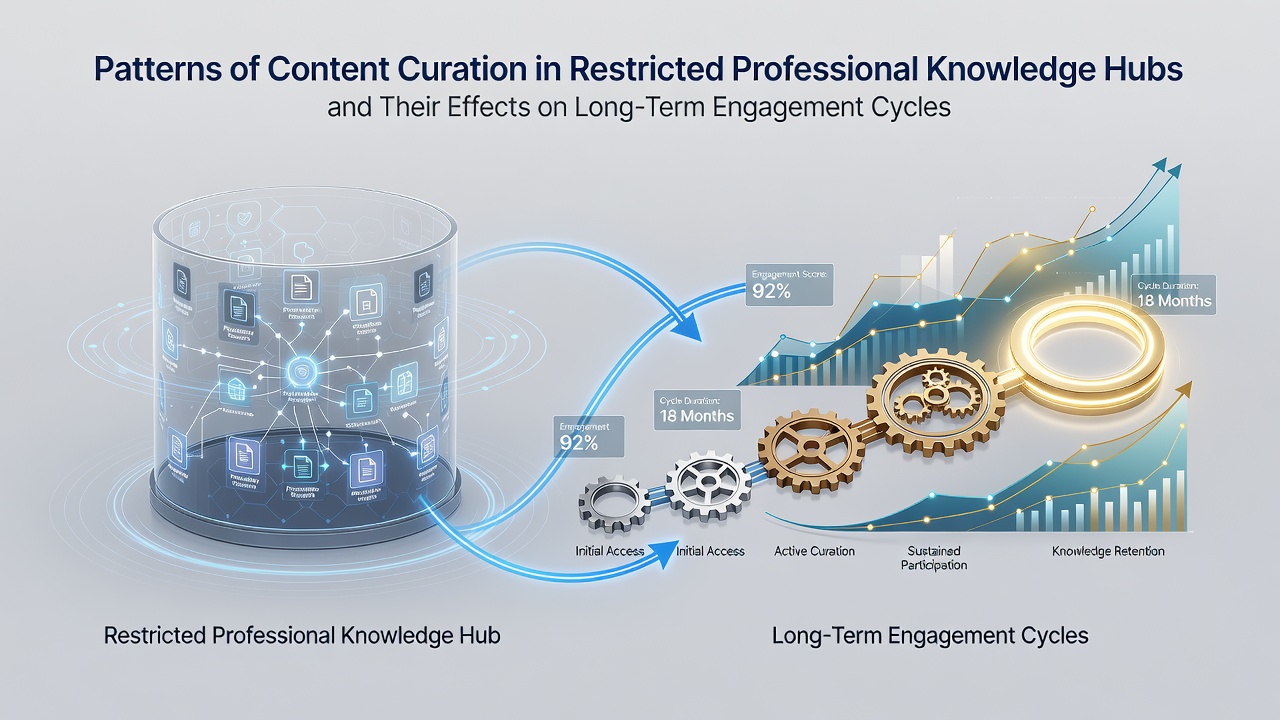
Restricted professional knowledge hubs operate as closed systems where access remains limited to verified members such as licensed physicians, certified engineers, or accredited researchers, and within these environments content curation follows structured patterns that directly influence how participants return and contribute across months or years. These hubs include enterprise intranets, specialized association portals, and invitation-only research networks, where moderators or algorithms select, tag, and sequence materials to maintain relevance while controlling volume.
One established pattern involves expert-led review boards that approve submissions before they appear, while a second relies on member voting combined with automated ranking, and a third uses temporal sequencing that surfaces older materials alongside new uploads to sustain continuity. Data collected through platform analytics shows that expert-led boards tend to produce higher initial quality scores yet slower refresh rates, whereas voting systems accelerate content turnover but introduce variability in accuracy over successive quarters.
Documented Curation Approaches in Closed Networks
Observers note that many medical and engineering associations adopted hybrid models by October 2026, blending automated tagging with periodic human oversight to balance speed and precision, and these combinations altered how long members remained active before reducing their visit frequency. Research from the OECD indicates that organizations using time-staggered release schedules recorded steadier contribution rates across twelve-month windows compared with those that published all approved items immediately upon review.
Another recurring approach centers on thematic clustering, where curators group related documents into persistent collections rather than isolated posts, and this method correlates with extended session durations because users encounter connected resources without additional searches. In contrast, linear chronological feeds often lead to rapid consumption followed by dormancy periods, according to usage logs from several multinational corporate platforms.
Measured Impacts on Engagement Over Time
Long-term engagement cycles in these hubs typically follow a pattern of initial high activity during the first three months, followed by stabilization or gradual decline unless curation refreshes both novelty and context, and figures from industry reports reveal that clusters refreshed every eight weeks maintained participation levels above baseline for up to eighteen additional months. Voting-based systems frequently produce short bursts of interaction around popular items yet show steeper drop-offs after the initial surge, whereas expert-curated archives sustain lower but more consistent access rates.
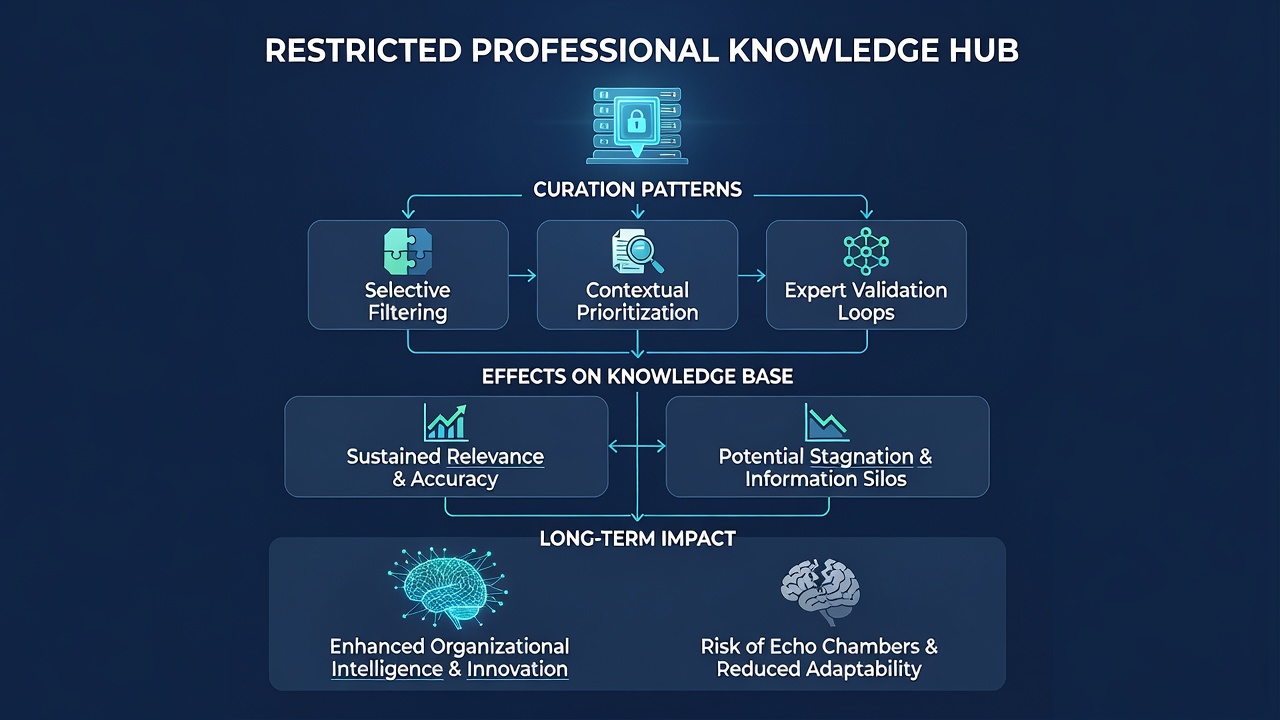
Platform operators have tracked these cycles through metrics such as return visit intervals, document download counts, and comment thread lengths, and the results indicate that thematic collections reduce the average time between visits by linking new uploads to established resources. In October 2026, several European professional bodies reported that members who engaged with clustered content demonstrated 22 percent higher retention after the first year compared with those limited to chronological streams.
Regional Variations and Supporting Evidence
North American technology associations often emphasize rapid algorithmic promotion of recent contributions, while counterparts in Asia-Pacific regions incorporate mandatory peer commentary before wider distribution, and these regional differences appear in comparative studies released by national research councils. The Australian Department of Industry, Science and Resources published usage data showing that commentary requirements extended average engagement spans by encouraging repeated returns to monitor discussion threads.
Yet the same reports highlight that overly stringent commentary rules can suppress overall volume when members perceive the barrier as too high, resulting in fewer total contributions even though each surviving item receives deeper review. Hybrid systems that allow optional commentary alongside automated surfacing have emerged as a middle path in multiple documented cases.
Factors That Shape Cycle Duration
Access frequency, professional role diversity, and integration with external tools all interact with curation choices to determine how long users stay invested, and studies from university-affiliated research centers demonstrate that hubs linking directly to calendar or project management software record fewer abrupt exits. Content that references ongoing projects rather than static reference material tends to prompt recurring visits because participants return to update or retrieve evolving information.
Notification settings further modulate these patterns because targeted alerts about updates within a user's thematic cluster increase re-engagement without overwhelming inboxes, whereas blanket notifications correlate with higher unsubscribe rates over successive quarters. Observers have recorded these notification effects across both small specialized groups and larger association platforms.
Conclusion
Patterns of content curation in restricted professional knowledge hubs produce measurable differences in how engagement evolves across extended periods, with expert review, voting mechanisms, thematic clustering, and timed releases each leaving distinct traces in usage data. Organizations that align curation methods with the typical work rhythms of their members record more stable participation metrics, while mismatches accelerate disengagement regardless of initial interest levels. Continued monitoring of these interactions provides the factual basis for adjusting approaches as membership needs shift.