Anna Simmons · 26 September 2026
The Dynamics of Cross-Platform Data Portability in Niche Content Ecosystems
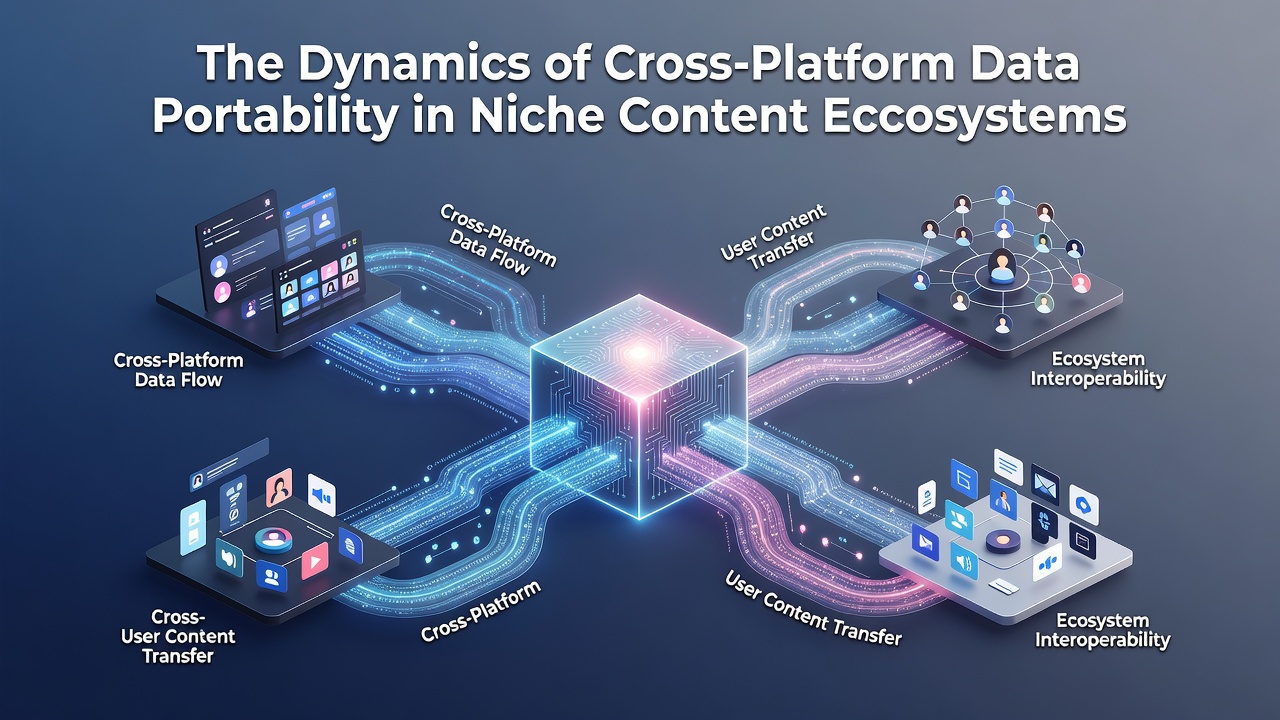
Cross-platform data portability refers to the technical and legal ability for users to move their personal information, content contributions, and interaction histories from one specialized platform to another while preserving structure and context, and this process has gained attention in niche content ecosystems such as independent forums, subject-specific archives, and community-driven knowledge bases since the early 2020s.
Regulatory Foundations Supporting Portability
Legal frameworks in multiple regions establish rights for individuals to obtain and transfer their data in structured formats, with the European Union's General Data Protection Regulation Article 20 requiring controllers to provide data in machine-readable form and the Australian Privacy Act amendments from 2022 extending similar expectations to digital service providers handling user-generated material.
Canadian federal privacy legislation under the Personal Information Protection and Electronic Documents Act has also prompted organizations to implement export mechanisms, while research from institutions including the University of Melbourne indicates that these rules encourage smaller platforms to adopt interoperable standards rather than proprietary silos.
Technical Mechanisms in Specialized Environments
Niche platforms often rely on application programming interfaces and standardized schemas such as ActivityPub or custom JSON exports to facilitate transfers, yet differences in metadata tagging, content versioning, and access controls create friction that requires custom mapping scripts and validation layers before data can integrate cleanly into a new system.
Observers note that platforms serving hobbyist communities, academic repositories, and regional discussion boards frequently maintain smaller engineering teams, which leads them to prioritize core functionality over seamless export tools until external requirements or user demand force updates, and this pattern appeared consistently in audits conducted through 2025.
Implementation Patterns Observed Across Ecosystems
One documented case involved a network of independent photography critique sites that collaborated on a shared export protocol in 2024, allowing members to shift portfolios complete with comment threads and rating histories without loss of chronological order or attribution details, and similar efforts have emerged in open-source documentation communities where contributors demanded continuity when projects migrated between hosting environments.
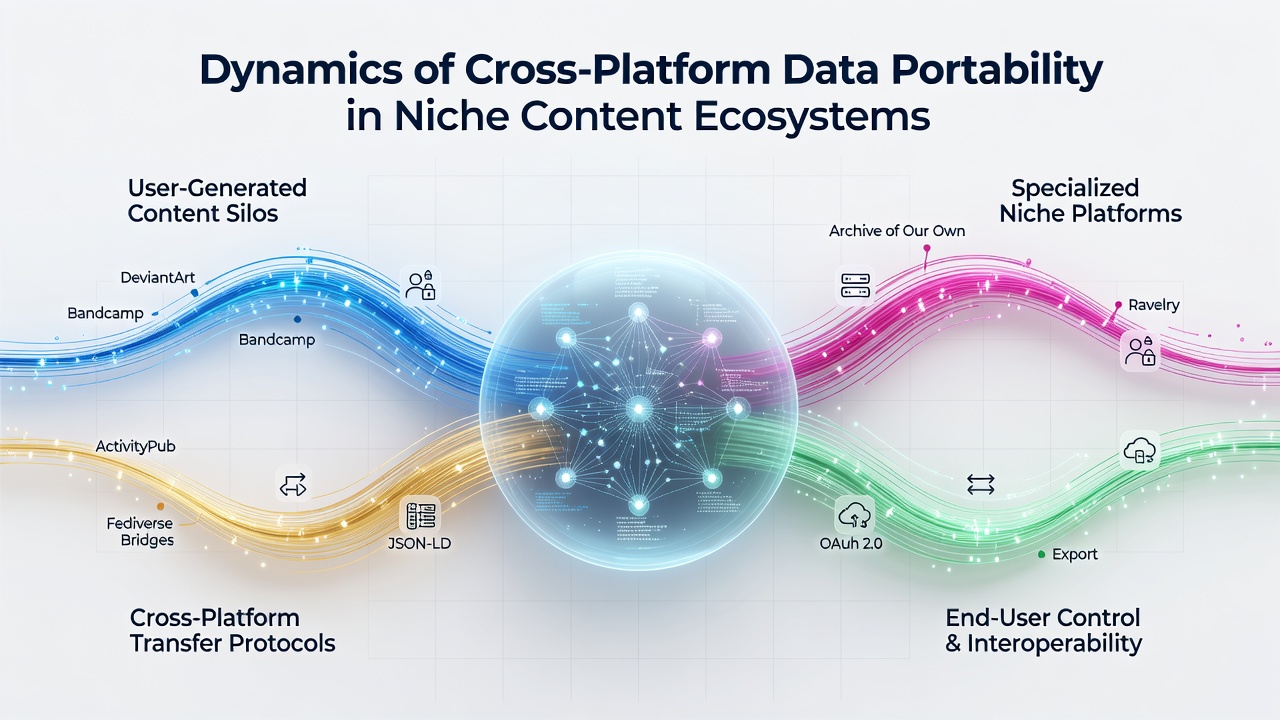
Data shows that successful portability depends on upfront schema alignment, and studies from the Open Data Institute have highlighted how platforms using consistent ontologies reduce transfer errors by measurable percentages compared with those relying on ad-hoc conversions.
Challenges Specific to Niche Content Structures
Smaller ecosystems face hurdles including limited storage formats for threaded discussions, variable handling of embedded media licenses, and the absence of centralized identity verification that mainstream services provide, and these factors combine to extend migration timelines from days to weeks when users attempt bulk moves.
Yet platforms that publish clear documentation on their data models enable third-party tools to automate portions of the process, and figures from industry reports released in mid-2025 reveal rising adoption of such documentation among independent operators responding to user requests.
Developments Anticipated in September 2026
Industry working groups have scheduled reviews of emerging portability specifications during September 2026, with participants including representatives from academic networks and regional digital rights organizations expected to evaluate extensions for real-time synchronization and conflict resolution in collaborative content environments.
These sessions follow earlier pilots that tested encrypted transfer channels across borders, and outcomes from those tests suggest that standardized encryption handshakes could become baseline requirements for platforms seeking compliance certifications.
Conclusion
The interplay between regulatory mandates, technical standards, and operational realities continues to shape how data moves across niche content platforms, with measurable progress tied to collaborative schema development and consistent documentation practices that reduce friction for end users seeking continuity.